
Quick answer
AI outbound calls can be lawful when done correctly. Call only people with the appropriate relationship or consent, honor do-not-call and opt-out rules, and follow applicable calling hours. Rinqly provides consent attestation, internal opt-out suppression, and local-hours safeguards; it does not replace legal review or national/state DNC screening. (General info, not legal advice.)
Yes, AI outbound calls are legal in the US when you follow the TCPA: call people who know your business or gave consent, honor opt-outs, and stick to allowed hours. For the way most small businesses use outbound, reminders and follow-ups to their own customers, staying compliant is straightforward. Here is a plain-English overview. This is general information, not legal advice; consult an attorney for your situation.
What is the TCPA?
The Telephone Consumer Protection Act (TCPA) is the main US law governing calls and texts to consumers. It exists to stop unwanted telemarketing, and it applies to automated and AI-assisted calls. The core idea is consent: you generally need permission, or an existing relationship, to call someone.
What are the TCPA rules for AI outbound calls?
The rules come down to consent, opt-outs, calling hours, and identifying yourself:
- Call people you have a relationship with: your patients, clients, and customers, not cold lists you bought.
- Get consent for marketing: promotional calls need prior express consent. Transactional calls (a reminder for an appointment they booked) sit on much safer ground.
- Honor opt-outs: if someone asks not to be called, stop, and keep a do-not-call list.
- Respect calling hours: generally 8am to 9pm in the recipient's local time.
- Identify yourself: say who is calling and why.
Are AI reminder and follow-up calls compliant?
Generally yes: calling your own customer to remind them of an appointment they booked, follow up on an inquiry they made, or confirm a service, is exactly the kind of relationship-based, transactional contact that is both useful and low-risk. The compliance danger is in cold, unsolicited marketing to people who never engaged with you, which is not what a small-business reminder or follow-up campaign is.
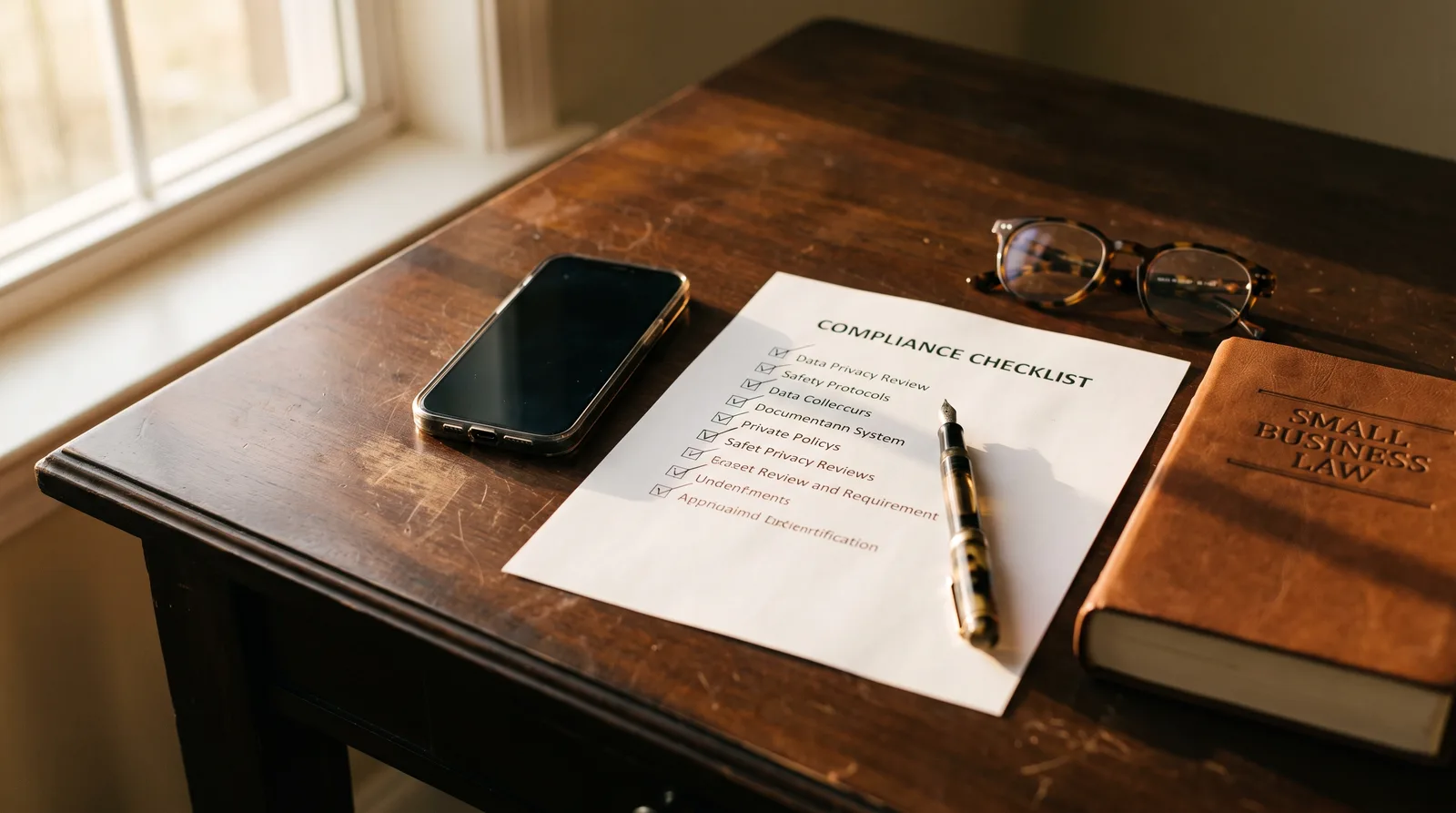
A simple checklist
- Only upload contacts who are your customers or opted-in leads.
- Keep campaigns transactional and helpful, not spammy.
- Maintain and respect a do-not-call list.
- Stick to reasonable local hours.
- When in doubt about marketing calls, get consent first, or ask a lawyer.
Rinqly provides an internal do-not-call list, requires a consent attestation before launch, and restricts campaigns to local calling hours. You are still responsible for the legality of your list and for national and state DNC screening.
Build trust, not complaints
The businesses that win with outbound treat it as a service to existing customers, not a megaphone. Used that way, see the campaigns to run, it strengthens relationships and recovers revenue while staying on the right side of the rules.
Rinqly's outbound plans start at $49/month with practical consent, opt-out, and calling-hours safeguards, using the same agent that powers your phone and chat. Start free.